
Affordable Budget Goal Trackers to Keep Your Wallet Happy
Why Tracking Financial Goals Doesn’t Have to Cost a Fortune
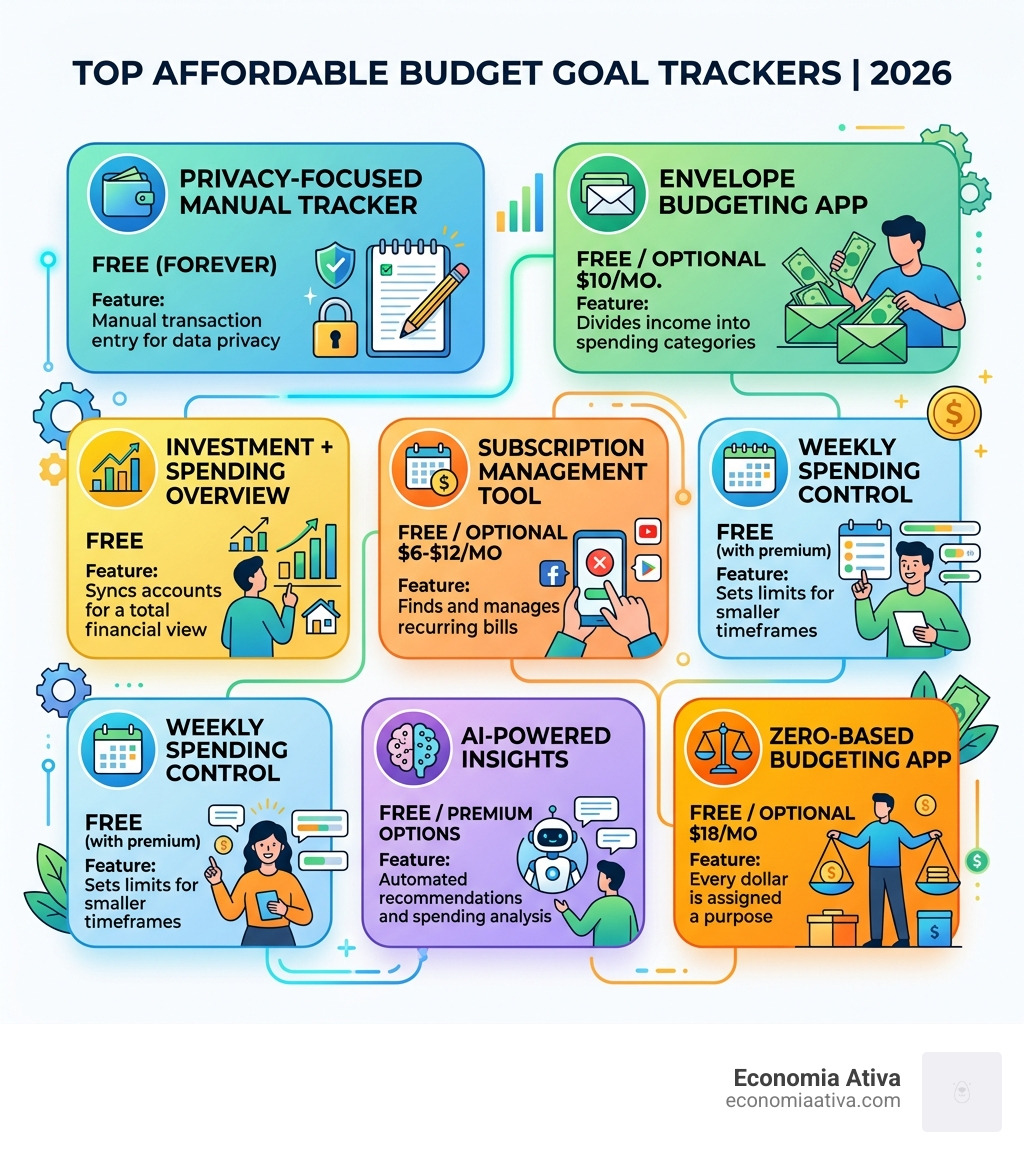
Affordable budget goal trackers are tools — apps, spreadsheets, or software — that help you set savings targets, monitor spending, and pay down debt without charging you a premium price. Here’s a quick look at the best options available in 2026:
| Tracker | Cost | Best For |
|---|---|---|
| Middle Class Finance | Free (forever) | Privacy-focused manual tracking |
| Goodbudget | Free / $10/month | Envelope budgeting |
| Empower | Free | Investment + spending overview |
| Rocket Money | Free / $6-$12/month | Subscription management |
| Weekly | Free (with premium) | Weekly spending control |
| Vala | Free / premium | AI-powered insights |
| EveryDollar | Free / $18/month | Zero-based budgeting |
Staying on top of your money is stressful. A recent survey found that 70% of Americans who track their spending feel anxious about it — and 64% feel the same way about tracking savings.
That anxiety often comes from not having the right tool. Too many apps are either too expensive, too complicated, or buried in upsells.
The good news? In 2026, there are genuinely great options that cost little to nothing. Whether you’re building an emergency fund, paying off debt, or just trying to stop wondering where your paycheck went — there’s a tracker that fits your life and your budget.
This guide breaks down the best ones, so you can stop guessing and start making progress.
Affordable Budget Goal Trackers: Defining Value in 2026
When we talk about “affordable” in the context of 2026 financial tools, we aren’t just looking for the lowest price tag. We are looking for value. For some of us, affordable means a “free forever” model that never asks for a credit card. For others, it’s a low-cost subscription—typically under $10 a month—that provides automated features to save us hours of manual entry.
As we’ve noted, financial anxiety is a real hurdle. With 70% of Americans feeling anxious about spending and 64% worried about savings, the last thing we need is a budget tracker that adds a heavy monthly bill to our list of expenses. High-end trackers like YNAB (You Need A Budget) now cost around $109 per year, which can feel steep when you are already trying to pinch pennies.
In 2026, the trend has shifted toward transparency. Users are moving away from apps that “hide” features behind expensive paywalls. Instead, we are seeing a rise in privacy-first tools and AI-driven assistants that offer robust goal-tracking capabilities for free or at a fraction of the cost of traditional software. A standout example of this is Middle Class Finance — Free Budget Tracker, which offers a 100% free model designed specifically for everyday households rather than finance professionals.
Top Picks for Low-Cost Financial Management
Choosing the right affordable budget goal trackers depends largely on your personal “budgeting style.” Do you want to be hands-on, or do you want the app to do the heavy lifting?
| Feature | Manual Entry (Hands-On) | Automated Syncing (Hands-Off) |
|---|---|---|
| Best For | Building awareness, privacy | Saving time, convenience |
| Accuracy | High (you verify every cent) | Moderate (requires AI categorization) |
| Privacy | Excellent (no bank links) | Standard (uses third-party aggregators) |
| Examples | Goodbudget, Kora, Middle Class Finance | Rocket Money, Empower, Vala |
Whether you prefer the “envelope method” (splitting money into digital buckets) or “zero-based budgeting” (assigning every dollar a job), there is a low-cost tool for you. For those who want to build deep financial awareness, the Kora Budgeting App – Simple Expense Tracker with Automatic Daily Budget emphasizes manual tracking to help you actually feel the impact of your spending decisions.
Middle Class Finance: A Privacy-Focused Affordable Budget Goal Tracker
If the idea of linking your bank account to a third-party app makes you nervous, you aren’t alone. Many of us prefer to keep our financial login details to ourselves. This is where Middle Class Finance shines.
It is a “free forever” tool with no hidden fees, no premium tiers, and no upsells. Instead of connecting to your bank, you manually import your transactions using standard files (like CSV or QFX) that you download from your bank’s website. This ensures your data stays private and gives you total control.
Key features include:
- Debt Payoff Strategies: Choose between the “Snowball” method (paying off small balances first for quick wins) or the “Avalanche” method (tackling high-interest debt first).
- Visual Savings Goals: Track progress for emergency funds, vacations, or home down payments.
- Multiple Budgeting Styles: It supports 50/30/20, zero-based, and envelope budgeting all in one place.
Weekly: Mastering Short-Term Wins with Affordable Budget Goal Trackers
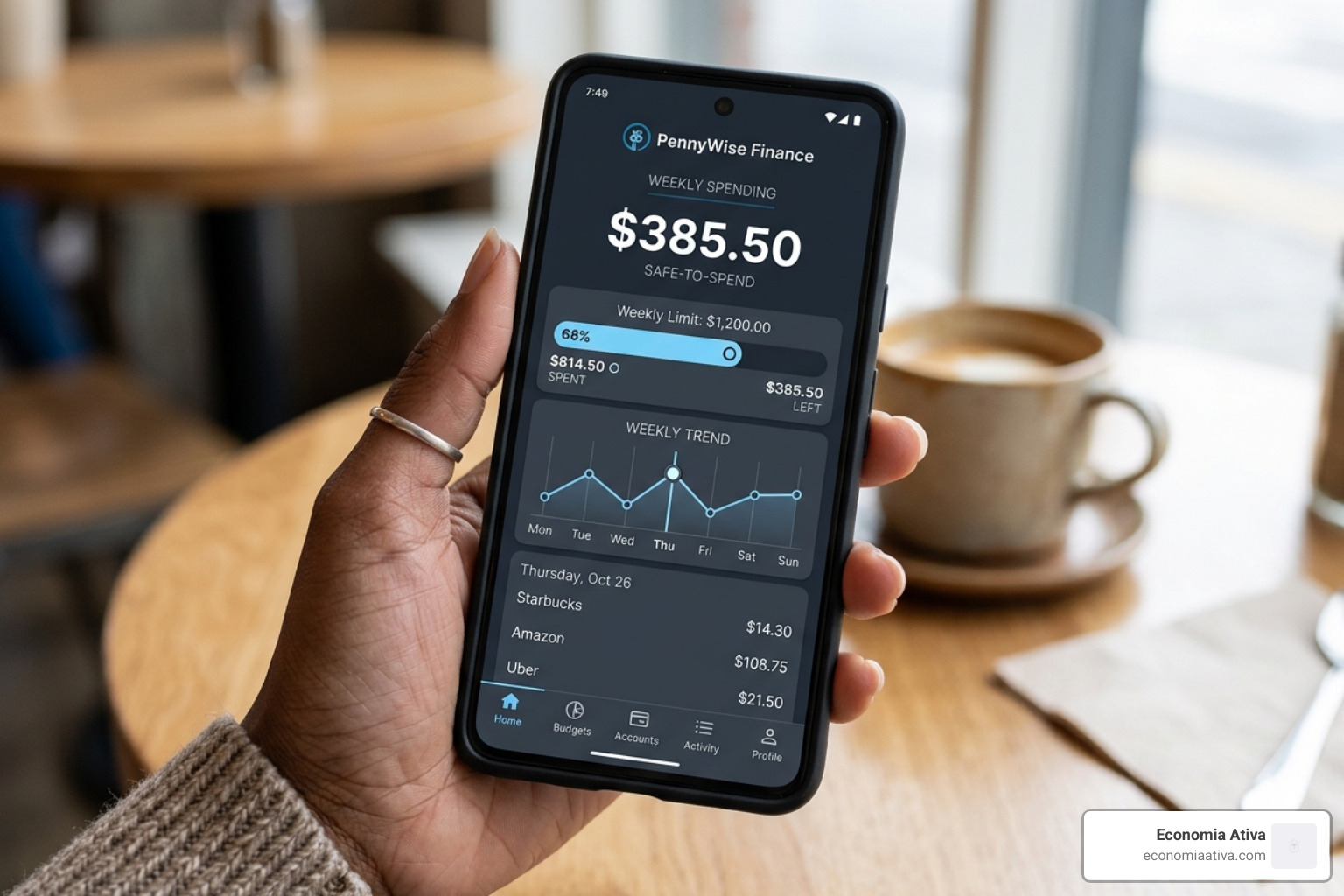
One of the biggest reasons budgets fail is that they are too long. A monthly budget can feel overwhelming—it’s easy to overspend in week one and have nothing left by week four. Weekly changes the game by breaking your finances down into seven-day cycles.
The app calculates a “Safe-to-Spend” limit for your week after accounting for your fixed bills and savings goals. This real-time tracking prevents that mid-month panic. According to user data, about 94% of people report improved finances after just two weeks of using this weekly approach. It’s a fantastic way to turn “avoiding overspending” into a manageable, short-term win. You can get started at Weekly – Budget Planner & Spending Tracker App.
Vala: Leveraging AI for Smarter Savings
As we move through 2026, Artificial Intelligence is becoming a standard feature in affordable budget goal trackers. Vala uses AI to act as a personal money coach. Instead of just showing you a list of transactions, Vala provides “Insight Cards.” These cards explain your progress in plain English and suggest concrete actions, like “You’ve saved $50 on groceries this week; want to move that to your Emergency Fund goal?”
Vala uses a 30-60-90 day framework to help you measure success. In the first 30 days, you focus on consistency. By 90 days, the goal is a strategic shift in how you handle money. It’s also excellent for shared budgets, making it a top choice for couples or roommates who need to split bills without the headache. Learn more at Vala | AI Budget App, Expense Tracker & Savings.
Essential Features for Effective Financial Goal Setting
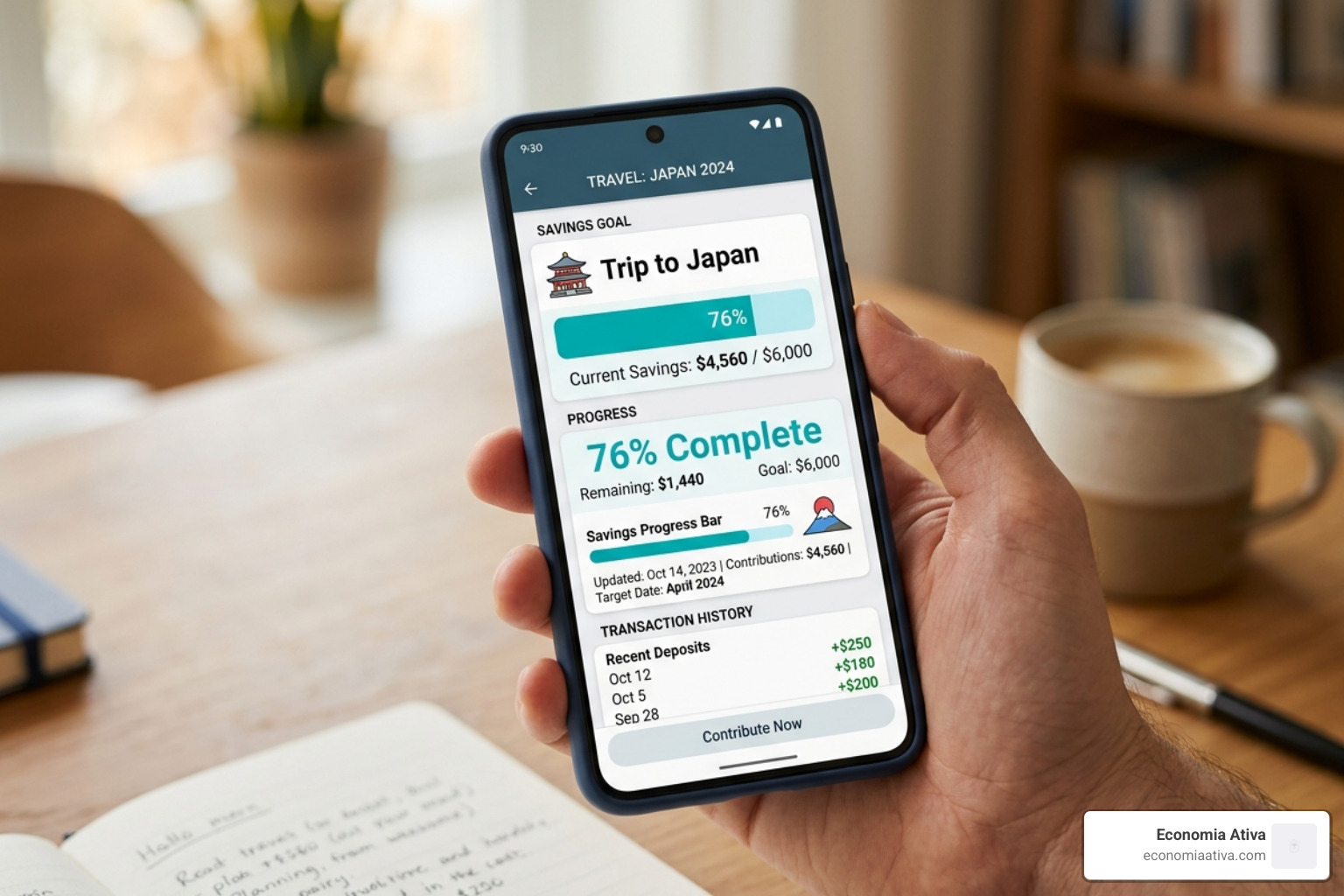
To truly be effective, affordable budget goal trackers should offer more than just a place to list expenses. Look for these “must-have” features:
- Automated Goal Contributions: Even if the app doesn’t move the money for you, it should prompt you to “pay yourself first” by allocating money to savings as soon as your income is logged.
- Bank-Grade Security: If you choose an app that syncs accounts, ensure it uses AES 256-bit encryption and Multi-Factor Authentication (MFA).
- Custom Categories: Your life doesn’t fit into a “one size fits all” template. You should be able to create categories for your specific hobbies, DIY projects, or even your indoor plant collection!
- Debt Payoff Planners: The best trackers help you visualize exactly when you will be debt-free based on your current payments.
- Multi-Device Access: You should be able to log a coffee purchase on your phone and see the update on your laptop later that evening.
Step-by-Step Guide to Starting Your First Budget
If you are new to using affordable budget goal trackers, don’t try to do everything at once. Follow these simple steps to get started:
- Step 1: Calculate Your True Net Income. Don’t look at your gross salary; look at what actually hits your bank account after taxes and insurance.
- Step 2: List Your “Must-Haves” (Fixed Expenses). Rent, utilities, insurance, and minimum debt payments. These are non-negotiable.
- Step 3: Define Your Goal. Are you building a $1,000 emergency fund? Or paying off a specific credit card? Pick one primary goal to start.
- Step 4: Use the 50/30/20 Rule. Aim to spend 50% on needs, 30% on wants, and 20% on savings or debt payoff. If your debt is high, you might need to flip those “wants” and “savings” percentages for a while.
- Step 5: Set Alert Thresholds. Configure your app to ping you when you’ve spent 80% of your “Dining Out” budget. This gives you a “yellow light” before you hit the “red light” of overspending.
- Step 6: Review Weekly. Spend 10 minutes every Sunday reviewing your tracker. This keeps your goals fresh in your mind.
Frequently Asked Questions About Budgeting Tools
Are free budget trackers safe to use?
Generally, yes—if they come from reputable developers. Look for apps that use “read-only” access to your bank (meaning they can see transactions but can’t move money) and check for bank-level encryption. If you are very concerned about privacy, stick to manual entry apps like Middle Class Finance or Kora, which don’t require bank logins at all.
What are the hidden costs of “free” apps?
While many apps are truly free, some “freemium” models might limit the number of “envelopes” or categories you can create. Others might sell anonymized data to researchers or show you targeted ads for credit cards and loans. Always read the privacy policy to see how the app makes its money.
Can I track shared goals with a partner?
Yes! Apps like Vala, Honeydue, and Goodbudget are specifically designed for couples. They allow you to have “yours, mine, and ours” views of your finances, which is essential for maintaining both transparency and individual autonomy.
Conclusion: Building a Thriving Financial Life
At Economia Ativa, we believe that financial wellness is about more than just numbers on a screen; it’s about creating a life that feels sustainable and joyful. Whether you are using a high-tech AI coach like Vala or a simple, privacy-focused tool like Middle Class Finance, the “best” tracker is the one you actually use.
Budgeting doesn’t have to be a chore, and it certainly shouldn’t be an expensive one. By choosing affordable budget goal trackers, you are already taking the first step toward a “wallet-happy” lifestyle. Combine these tools with our practical DIY tips, air quality insights, and home-growing advice to build a thriving environment for both your finances and your family.
Ready to take command of your money? Start your journey to financial freedom today and discover how small, consistent steps can lead to big financial wins.
